Slovenia
Freemasonry in Slovenia
Temple Dvorana
cartographIE
France
Austria
In Austria, the paths lead to Vienna, rich in Masonic history, which can be discovered throughout its well-restored streets and buildings. Exploring this history takes one back to a significant heritage, from Mozart to the Austro-Hungarian Empire, where Freemasonry is prominently present.
Andorra
Belgium
Bulgaria
Canaries
Following the autonomist movement within the Grand Orient of Spain in 1920, the Canarian lodges Añaza, Abora and Andamana jointly decided to create a Regional Grand Lodge of the Canary Islands. For this reason, on 28 November 1922, a committee met in Santa Cruz de Tenerife to organise a Regional Grand Lodge, made up of representatives of the Añaza (José Freixa Martí), Abora (Julián Rodríguez Ballester) and Andamana (Compagnie Juan Vich) Lodges, agreeing to appoint Amado Zurita Colet, from Añaza, as President.
On 20 February 1923, the Supreme Council of the 33rd Degree for Spain and its Dependencies issued a communication to Añaza Lodge 270 in which it decided to authorise the constitution of a Regional Grand Lodge of the Canary Islands which would sponsor the Lodges established there ‘in view of the existing reasons for doing so’.
The transition to democracy restored the legality of Spanish Freemasonry. Since the early 1980s, Canarian Freemasonry has concentrated on Gran Canaria, Tenerife and Lanzarote, initially attaching itself to the Grand Lodge of Spain and its Supreme Council of the 33rd Degree, not without some English reticence due to the philosophy of the Rite of Emulation. But the Masonic feelings of Canary Island Freemasons, linked to their historical tradition, are far removed from the Anglo-Saxon concept of ‘brotherhood’, not only in ritual but also in way of thinking.
Croatia
North Macedonia
Poland
In Poland, the journey first leads to the University Library of Poznan to see 80,000 Masonic works in various languages, including 2,400 in French dating back to 1730, which were stolen during World War II by the Nazis.
Next, in Tarnowskie Góry, a UNESCO-listed town, the cultural heritage has been enriched thanks to the town hall, which recovered objects from two Masonic lodges destroyed by the Nazi regime to create a museum. In this region, rich in silver mines, Freemasonry was highly developed. In the same town, a beautifully reconstructed castle houses a Masonic museum and a temple with Masonic furniture, where the lodge of the Grand Lodge of France has been able to meet for its work. One can spend a few days there, as there is a hotel and a restaurant.
Portugal
Our Institution, characterised by its commitment to Regular and Traditional Freemasonry, plays a significant role in the preservation and promotion of Masonic principles.
Romania
Since 1848, there existed in the center of Bucharest a ‘Street of the Freemasons,’ which retained this name until October 1940 (renamed Ștefan Furtună during the communist era and Mircea Vulcănescu since 1990). The ‘Master Mason Manole Walk’ attests to a myth of the guild of church builders in the Middle Ages on the territory of present-day Romania, which Mircea Eliade had already connected to the founding myths of Freemasonry. The country offers explorers all sorts of discoveries of remarkable architectural and Masonic heritage sites.
Serbia
A stroll through Belgrade offers many architectural surprises, revealing true treasures engraved on the facades of buildings. You will also find two suggested walks in the city, which provide a glimpse into Serbian heritage that has been miraculously preserved despite challenging periods since 1940. Enjoy the discovery !
Slovenia
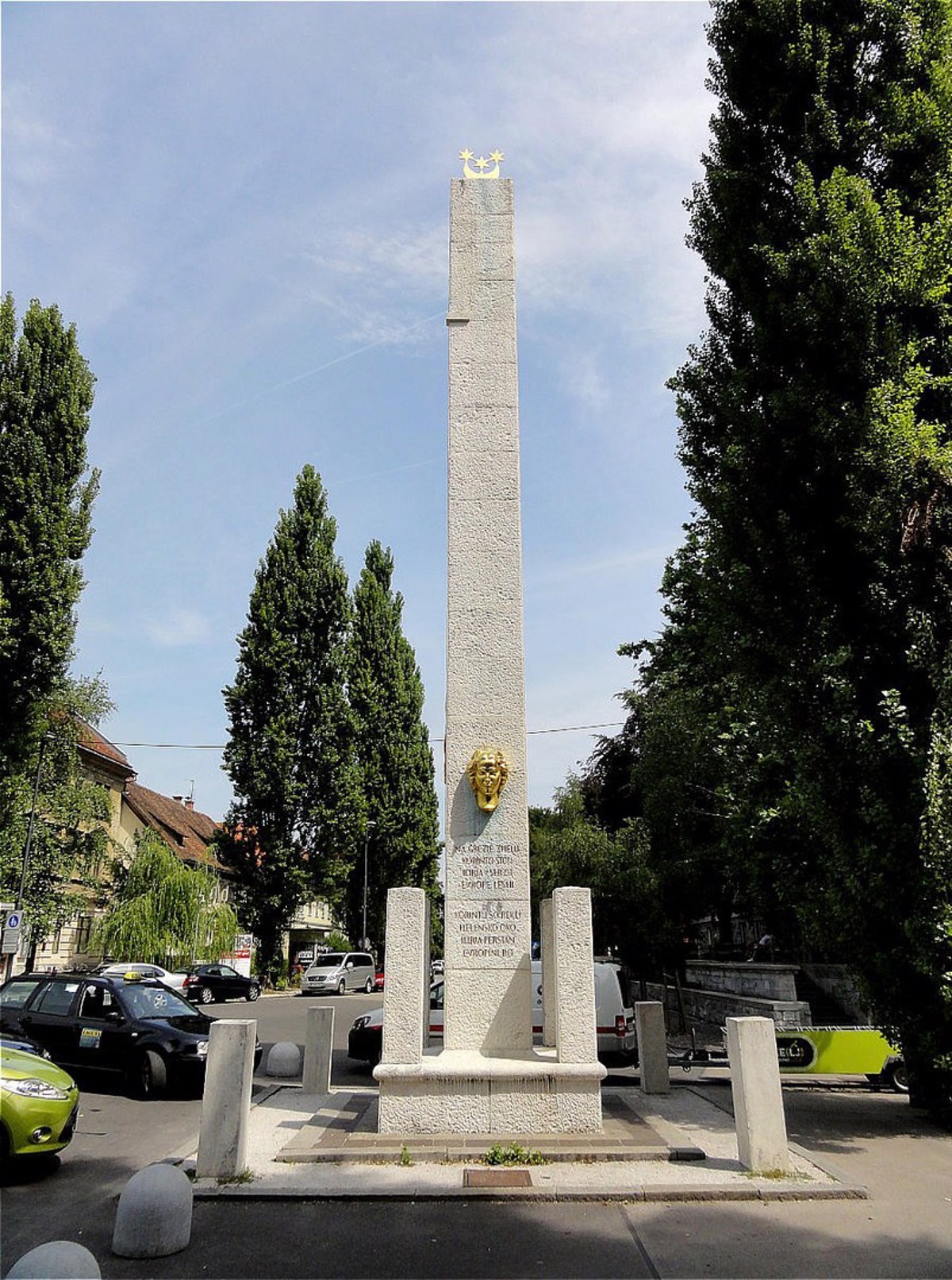
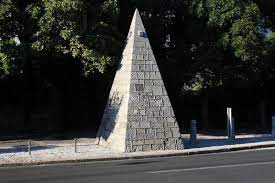
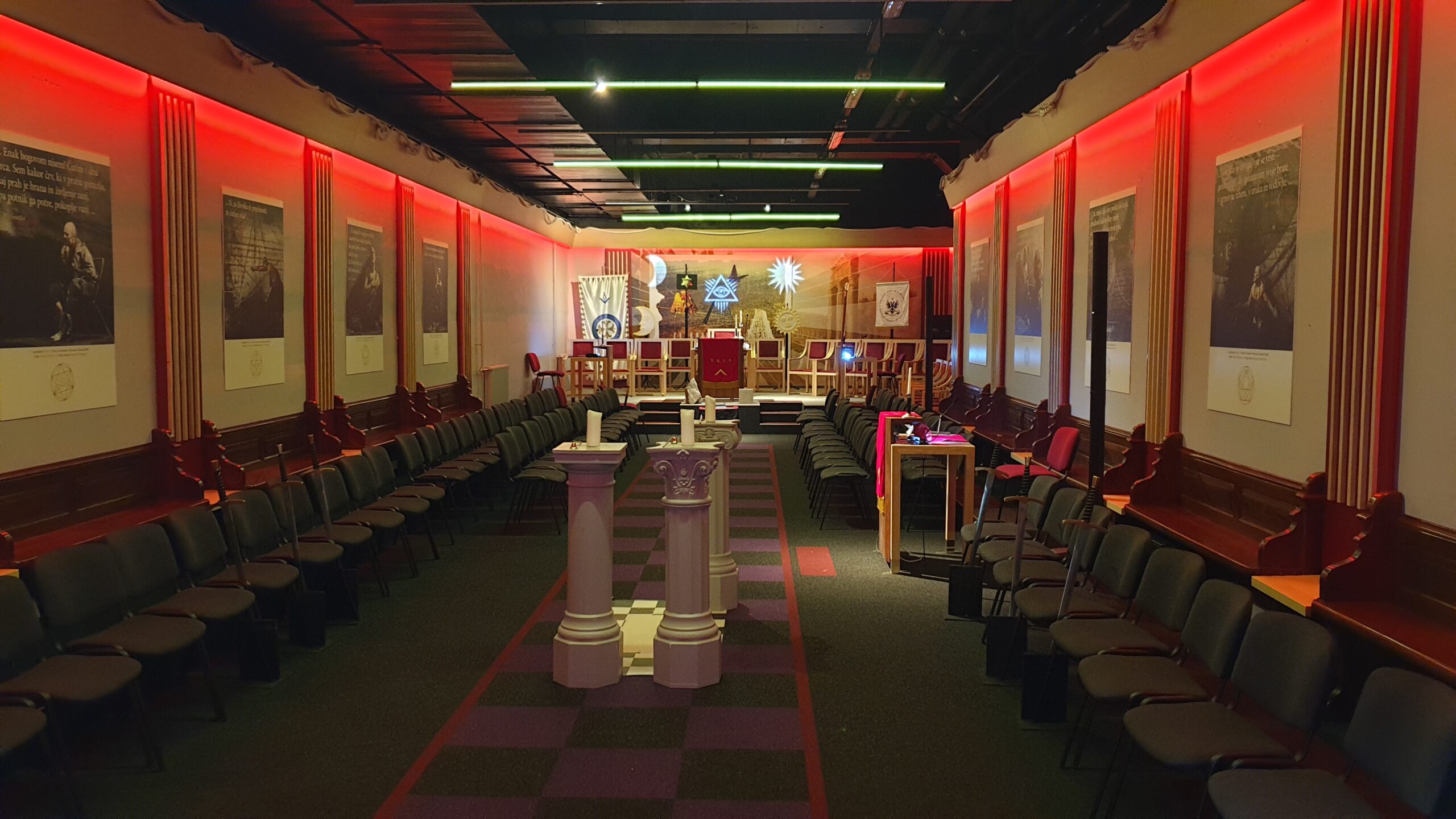
The seed of Freemasonry fell on Slovenian soil as early as the 18th century, but it was only with the Illyrian Provinces that it began to sprout within the local population. Historical circumstances then froze this growth, but when it finally flourished at the end of the 20th century, Slovenian Freemasonry drew from this same source. The paths are diverse and attractive in strolls through the capital.
Spain
Along the Masonic Architecture and Heritage Route, Spain offers sites of great historical, documentary and symbolic value. From Barcelona to Salamanca and Málaga, these sites allow visitors to discover the influence of Freemasonry on Spanish culture, collective memory and community life. Archives, libraries and private collections offer visitors a multifaceted perspective on a heritage characterised by brotherhood, knowledge, persecution and the recovery of memory.